How to Set Up a Successful Airbnb in Miami: 10 Steps
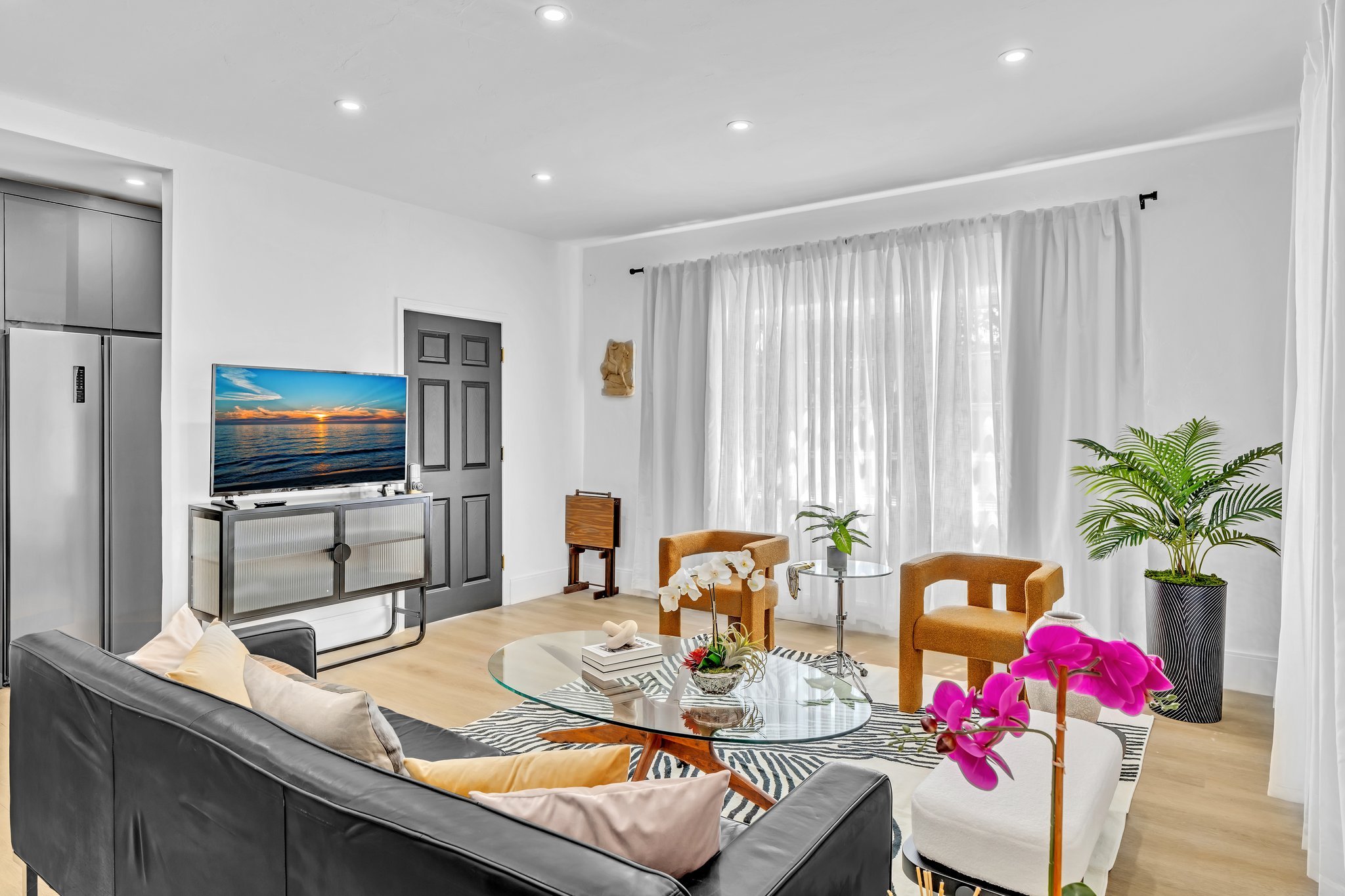
Miami attracts visitors throughout the year with its beaches, nightlife, cultural events, business districts, and cruise industry. That demand can make short-term rentals profitable, but success requires more than furnishing a property and publishing an Airbnb listing.
The following ten steps explain how to prepare, launch, and operate a competitive Miami vacation rental.
Miami Airbnb Setup Checklist
| Step | What to Do | Why It Matters |
|---|---|---|
| 1. Research | Compare neighborhoods, rates, occupancy patterns, and competing listings. | Helps determine whether the property can compete profitably. |
| 2. Select | Choose an eligible property in a convenient location. | Location and legal eligibility strongly influence performance. |
| 3. License | Confirm zoning and obtain applicable state, county, and municipal approvals. | Operating without approval can result in penalties or closure. |
| 4. Design | Create an attractive, durable, and functional interior. | Good design improves photographs and the guest experience. |
| 5. Equip | Provide dependable essentials and useful Miami-specific amenities. | Convenience can improve reviews and booking conversion. |
| 6. Protect | Install safety equipment and create emergency procedures. | Protects guests, owners, and the property. |
| 7. List | Use professional photos, accurate copy, and dynamic pricing. | A stronger listing can generate more qualified bookings. |
| 8. Communicate | Answer quickly and provide clear arrival instructions. | Reduces confusion and builds guest confidence. |
| 9. Clean | Use a documented turnover and inspection process. | Cleanliness is one of the largest drivers of guest reviews. |
| 10. Improve | Monitor reviews, revenue, expenses, and recurring complaints. | Ongoing improvements protect long-term performance. |
1. Research the Miami Short-Term Rental Market
Start by studying listings that are genuinely comparable to your property. Compare similar property types, bedroom counts, locations, amenities, review scores, minimum stays, nightly rates, and cleaning fees.
Miami is not one uniform rental market. Demand in Brickell may be driven by business travelers, nightlife, and downtown events, while Miami Beach attracts more beach-focused visitors. Coconut Grove, Coral Gables, Wynwood, and other neighborhoods each appeal to different types of guests.
Pay attention to seasonal changes, major events, cruise schedules, and weekends with unusually high demand. Base your projections on realistic annual performance rather than the highest nightly rates you see online.
2. Select the Right Property
The right Airbnb property combines guest appeal with legal eligibility. Proximity to beaches, restaurants, entertainment districts, hospitals, business centers, airports, and public transportation may increase demand, but location alone does not make a property suitable for short-term rental use.
Before purchasing or converting a property, review its zoning, building rules, condominium documents, homeowners association restrictions, parking availability, insurance requirements, and expected operating expenses.
Do not assume that a property can be rented on Airbnb simply because other nearby properties appear on the platform. Regulations may differ by municipality, zoning district, property type, building, and association.
You can review examples of existing Miami short-term rental properties to better understand how location, layout, and amenities shape the guest experience.
3. Confirm Zoning, Licensing, and Tax Requirements
Miami short-term rental requirements depend on the property's exact address. A property may fall within the City of Miami, another municipality, or unincorporated Miami-Dade County. Each jurisdiction can have different zoning and operational requirements.
Depending on the property, an owner may need to address:
- Local zoning eligibility
- A Florida Department of Business and Professional Regulation lodging license
- A Certificate of Use or similar local approval
- A local Business Tax Receipt
- Florida and local transient-rental tax registration
- Building, fire, occupancy, and safety requirements
- Condominium or homeowners association restrictions
The City of Miami states that short-term rental or lodging operations must be located in an eligible zone. Depending on the property and proposed use, City requirements may include a Certificate of Occupancy, DBPR lodging license, Certificate of Use, Business Tax Receipt, and applicable county approvals.
Owners should verify current requirements directly with the appropriate agencies before advertising or accepting reservations:
- City of Miami short-term rental and lodging procedures
- Miami-Dade County short-term vacation rental requirements
- Florida DBPR vacation-rental licensing information
- Florida transient-rental tax information
Regulations can change. This guide provides general information and is not legal or tax advice.
4. Design the Property for Your Ideal Guest
Choose the type of guest you want to attract before furnishing the property. A family may prioritize extra sleeping space, laundry facilities, and a well-equipped kitchen. A business traveler may care more about fast Wi-Fi, a comfortable workspace, parking, and simple self-check-in.
Miami-inspired colors, artwork, and tropical accents can give the property a sense of place, but the interior should remain comfortable and functional. Use durable furniture, washable fabrics, adequate lighting, blackout window treatments, and enough storage for the property's intended occupancy.
Avoid filling the property with fragile decorations or unnecessary furniture. Guests should have enough room to move comfortably and store their belongings.
5. Provide the Amenities Miami Guests Expect
At a minimum, guests generally expect reliable Wi-Fi, effective air conditioning, comfortable beds, clean linens, bath towels, basic toiletries, and a properly equipped kitchen. Every advertised amenity should be operational and inspected regularly.
Depending on the property and target guest, useful amenities may include:
- Beach towels and a beach umbrella
- Dedicated parking or clear parking instructions
- A washer and dryer
- A luggage rack and sufficient closet space
- A coffee maker and basic kitchen supplies
- A desk or designated workspace
- A crib, highchair, or other family-friendly equipment
- Outdoor seating where permitted and practical
A consistent Miami Airbnb supply and restocking service helps prevent missing essentials between reservations.
6. Prioritize Guest and Property Safety
Safety equipment should comply with all applicable laws, building codes, licensing requirements, and platform rules. Common safety measures may include working smoke alarms, carbon monoxide alarms where required, fire extinguishers, first-aid supplies, visible emergency information, secure locks, and adequate exterior lighting.
Smart locks or secure lockboxes can simplify check-in while allowing access codes to be changed between guests. Owners should also document emergency contacts and establish procedures for leaks, air-conditioning failures, lockouts, storms, and other urgent problems.
Routine inspections and dependable Airbnb handyman services in Miami can help identify maintenance and safety issues before they affect a guest.
7. Create an Accurate, High-Converting Listing
A successful Miami Airbnb listing should answer the guest's most important questions before they book. Use professional photographs that accurately show every major room, sleeping area, bathroom, outdoor space, entrance, and important amenity.
Your listing description should clearly explain:
- Where the property is located
- How many guests it can comfortably accommodate
- The number and size of beds
- Parking arrangements
- Check-in and checkout procedures
- Important house rules
- Nearby attractions and approximate travel times
- Any limitations guests should understand before booking
Avoid exaggerated claims. Accurate descriptions help attract suitable guests and reduce complaints caused by mismatched expectations.
Pricing should change with demand. Review nearby competition, booking pace, day of the week, holidays, special events, and seasonal travel patterns rather than using one fixed rate throughout the year.
Professional Miami Airbnb property management can help owners optimize listings, adjust rates, communicate with guests, and coordinate day-to-day operations.
8. Establish Fast and Clear Guest Communication
Respond promptly and professionally from the initial inquiry through checkout. Guests should receive clear information about identification requirements, parking, building access, Wi-Fi, house rules, checkout, and how to request assistance.
A digital or printed guide can include recommended restaurants, grocery stores, beaches, transportation options, and nearby attractions. Automated messages can improve consistency, but guests should still have a reliable way to reach a real person when a problem requires individual attention.
Owners who need help managing reservations and guest messages may benefit from professional Airbnb co-hosting services in Miami.
9. Use a Professional Cleaning and Inspection Protocol
Every turnover should follow a documented checklist. The property should be cleaned, restocked, inspected, and photographed before the next guest arrives. Linens should be checked for stains or damage, and high-touch surfaces should receive particular attention.
Miami's humid climate also makes moisture control important. Cleaning teams should look for leaks, condensation, unusual odors, slow-draining plumbing, water damage, and early signs of mold or mildew. Air-conditioning systems and ventilation should remain operational and properly maintained.
A dependable Miami Airbnb cleaning service can help maintain consistent standards across back-to-back reservations.
10. Gather Feedback and Improve the Rental
Encourage guests to leave honest reviews and monitor recurring comments. One unusual complaint may not require a major change, but repeated feedback about the same bed, appliance, noise issue, or check-in instruction should be investigated.
Owners should also track financial and operational performance, including:
- Occupancy rate
- Average daily rate
- Revenue per available night
- Cleaning and maintenance expenses
- Average review score
- Booking lead time
- Cancellation rate
- Frequency of guest complaints
These measurements help distinguish a busy property from a genuinely profitable one. Visit the Axiom Rentals blog for additional Miami short-term rental management tips.
Should You Manage Your Miami Airbnb Yourself?
Self-management can work for an owner who lives nearby, has flexible availability, understands pricing, and can coordinate guest communication, cleaning, restocking, inspections, and emergency repairs.
Professional management may be more practical for owners who live out of the area, manage multiple properties, or do not want to remain available during nights, weekends, and holidays.
| Consideration | Self-Management | Professional Management |
|---|---|---|
| Guest communication | Handled directly by the owner | Handled by the management team |
| Pricing | Owner researches and updates rates | Manager monitors and adjusts rates |
| Cleaning and maintenance | Owner coordinates vendors | Manager coordinates operations |
| Owner involvement | High | Lower |
| Management fee | None | Varies by services and agreement |
Axiom Rentals provides full-service Airbnb property management in Miami for owners who want assistance with listing management, guest communication, cleaning coordination, inspections, supplies, and ongoing property operations.
Frequently Asked Questions
Can any property in Miami be used as an Airbnb?
No. Short-term rental eligibility depends on the property's municipality, zoning, building type, association rules, and other regulations. Owners should confirm eligibility with the appropriate local agencies before advertising the property.
What licenses are required for an Airbnb in Miami?
Requirements vary by address. Depending on the jurisdiction and property, an owner may need a Florida DBPR lodging license, local Certificate of Use, Business Tax Receipt, tax registration, and other building or county approvals.
What amenities should a Miami Airbnb provide?
Common essentials include reliable Wi-Fi, effective air conditioning, comfortable beds, clean linens, towels, toiletries, and a properly equipped kitchen. Beach supplies, parking, laundry facilities, and a workspace may make a property more competitive.
How should a Miami Airbnb be priced?
Pricing should reflect the property's location, size, amenities, competing listings, booking pace, season, day of the week, holidays, and major local events. Rates should be reviewed regularly instead of remaining fixed throughout the year.
How often should an Airbnb be cleaned?
An Airbnb should be professionally cleaned and inspected after every guest stay. Owners should also schedule periodic deep cleaning and preventive maintenance based on the property's condition and booking frequency.
Do I need a property manager for my Miami Airbnb?
A property manager is not always required, but professional management may benefit owners who live outside Miami, operate multiple rentals, or need help with pricing, guest communication, cleaning, inspections, and maintenance coordination.
Build a Strong Foundation for Your Miami Airbnb
Setting up a successful Airbnb in Miami begins with confirming that the property can legally operate as a short-term rental. From there, thoughtful design, accurate marketing, responsive communication, professional cleaning, and reliable maintenance can help create a better experience for guests and owners.
If you need assistance launching or operating your property, contact Axiom Rentals to discuss Miami Airbnb co-hosting or property management services.